TMJ Relief in Harvard
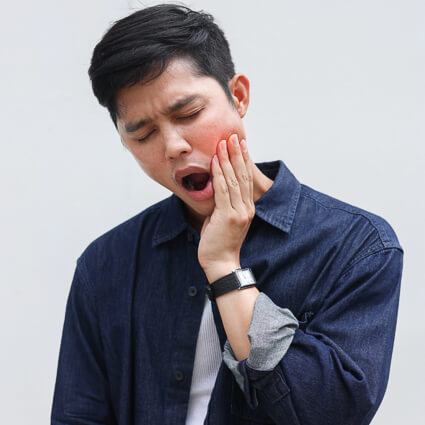
Jaw pain can make everyday life more frustrating than it needs to be. Chewing, talking, yawning, and even smiling can start to feel like something you have to think about. At Harvard Chiropractic, we look beyond the jaw itself and evaluate how the neck, spine, muscles, and posture may be playing a role in what you’re feeling.
NEW PATIENTS »
The Joint Behind the Pain
The temporomandibular joint connects your jaw to your skull. When it gets irritated, restricted, or overworked, things can get uncomfortable fast. Pain, clicking, popping, tightness, headaches, ear pressure, and trouble opening your mouth fully are all common signs that something is off.
How Everyday Habits and Posture Feed TMJ Tension
The jaw doesn’t work in isolation. It works closely with the muscles of the head, neck, shoulders, and upper spine. When any of those areas are tense or restricted, the jaw often compensates, and that extra load adds up.
Common contributing factors include:
- Teeth clenching or grinding, especially during sleep or periods of stress
- Forward head posture from desk work or phone use
- Tension in the neck, shoulders, or upper back
- Prior dental work or jaw injury
- Sustained positions that strain the spine over time
How TMJ Makes Itself Known
TMJ symptoms can show up in ways that feel completely unrelated to the jaw. A dull ache that spreads into the face or temples. Headaches that seem to start at the base of the skull. An ear that feels full or pressured without any sign of infection.
When It’s Time to Stop Waiting It Out
If jaw pain or tightness has been hanging around for more than a few weeks, or if it’s affecting how you eat, sleep, or get through the day, that’s a good sign your body needs some support. TMJ symptoms tend to stick around when the underlying cause isn’t addressed.
What Care Looks Like
We start by checking jaw movement, neck mobility, posture, muscle tightness, and spinal alignment. We want to understand what’s actually driving the problem, not just where it’s showing up.
From there, care may include gentle chiropractic adjustments, soft tissue work, posture guidance, and at-home exercises to reduce strain on the jaw joint. A lot of patients are genuinely surprised by how much relieving tension in the neck and upper back can change how their jaw feels.
Get Back to Comfortable, Effortless Movement
As care progresses, most patients notice that chewing feels less guarded, headaches ease up, and that constant tension through the face and neck starts to let go. The goal isn’t to force anything into place. It’s to help your jaw, neck, and surrounding muscles work together the way they’re supposed to.
If TMJ pain, jaw tightness, or related headaches have been slowing you down, contact Harvard Chiropractic to schedule an evaluation.
